Hardscapers: Why Permeable Pavers Are Replacing Traditional Concrete Driveways
The architectural landscape of residential design is undergoing a significant transformation as homeowners and builders pivot toward sustainable outdoor solutions. However, modern environmental challenges and shifting aesthetic preferences are prompting a massive shift in how we approach residential infrastructure. Professional hardscapers are leading this movement, guiding clients away from solid impervious surfaces toward advanced interlocking systems. This evolution reflects a broader commitment to ecological responsibility without sacrificing the visual appeal or structural integrity of residential properties.
As urban areas expand, the widespread installation of non-porous surfaces creates significant challenges for local ecosystems and civil infrastructure. Traditional concrete driveways prevent rainwater from absorbing back into the earth, which accelerates surface runoff and overburdens municipal drainage systems. To counter these modern challenges, experienced hardscapers increasingly advocate for permeable pavers as a superior alternative for contemporary driveways..
Enhance Local Water Management
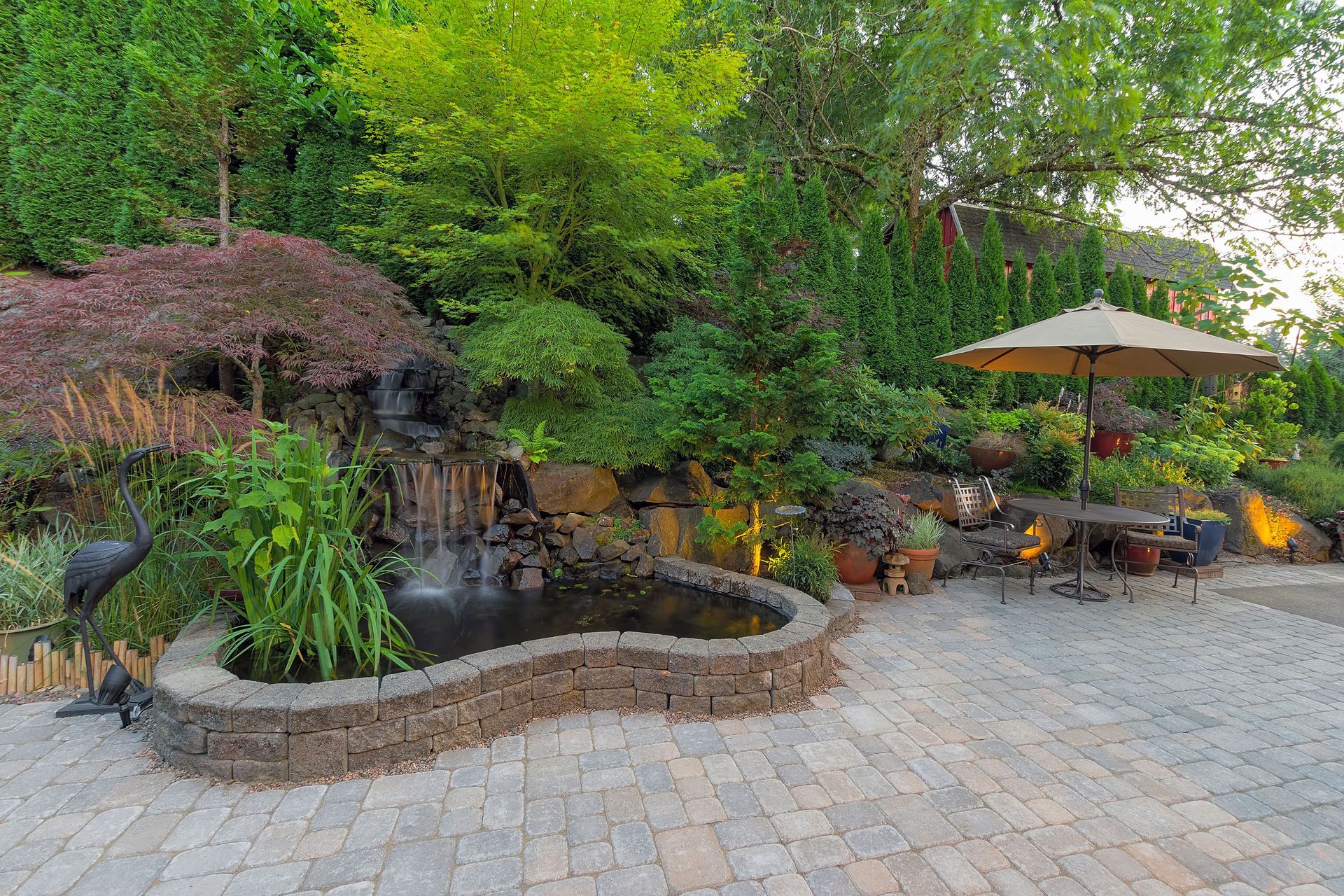
Permeability represents the specialized capacity of a surface material to let water pass directly through its structure into the ground below. Unlike standard concrete slabs that block moisture, permeable interlocking systems are engineered with intentional aggregate-filled gaps that facilitate rapid drainage. When heavy rain hits these interlocking systems, water filters through the joints and enters a prepared stone subbase. Skilled hardscapers design these underground layers to act as natural retention zones, holding stormwater while it slowly percolates back into the water table. This mechanical design successfully mimics natural hydrology, drastically reducing surface pooling and hazardous driveway flooding.
By managing stormwater on-site, these advanced systems prevent heavy rainfall from washing dangerous automotive fluids and debris into storm sewers. The specialized gravel layers underneath work as a natural filtration mechanism, trapping pollutants before they can contaminate local groundwater reserves. This protective feature is becoming indispensable in dense suburban neighborhoods where expansive concrete surfaces prevent natural absorption and trigger soil erosion. Consequently, property owners enjoy dry, stable driveways during severe storms while actively participating in the ecological preservation of their immediate community water systems.
Lower Modern Upkeep Costs
Evaluating the true expense of a driveway installation requires looking beyond the initial material purchase to consider long-term maintenance requirements. Standard concrete driveways often seem economical at first glance, but they frequently require recurring expenses for chemical sealing, crack repairs, and stain removals. Professional hardscapers emphasize that interlocking modular units eliminate many of these ongoing financial burdens because they do not require regular chemical sealants. The unique composition of these modular units resists oil stains and heavy wear far better than continuous poured concrete. This reduced need for continuous maintenance translates into substantial financial savings for homeowners over the lifespan of the installation.
Ongoing care for an interlocking driveway remains remarkably straightforward, typically requiring only occasional sweeping or rinsing with a hose to clear loose debris. Over time, organic matter might accumulate within the small joints, but simply refreshing the aggregate material easily restores full drainage performance. This simple upkeep process stands in stark contrast to the demanding repairs required when solid concrete surfaces begin to flake or discolor. Homeowners who select these advanced porous options avoid the costly cycle of patching surfaces, securing a predictable and manageable maintenance budget for their outdoor investments.
Elevate Total Surface Durability
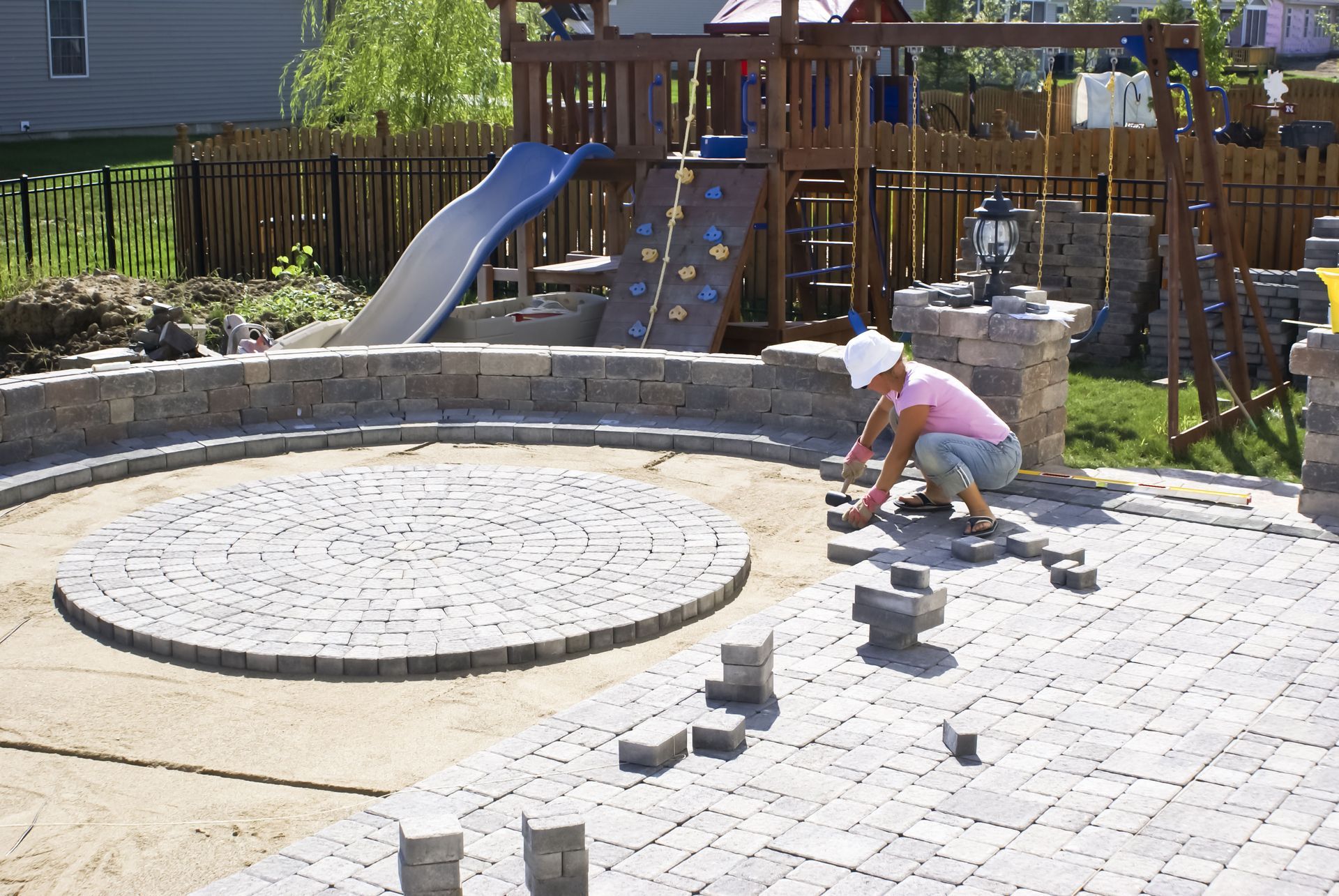
Structural durability is a critical factor when choosing driveway materials, and interlocking paving systems consistently outperform traditional monolithic concrete slabs. Poured concrete is highly susceptible to cracking because it cannot flex when the underlying soil shifts or undergoes intense thermal expansion. Specialized hardscapers resolve this structural vulnerability by installing individual interlocking pieces that move independently while maintaining an incredibly strong collective load-bearing capacity. This inherent flexibility allows the entire surface to adapt naturally to minor ground movements without developing unsightly structural fissures. As a result, these modular driveways handle heavy vehicular traffic easily without suffering the rapid degradation common to rigid concrete.
In regions that experience freezing winter temperatures, the structural resilience of modular systems provides an even greater operational advantage. Traditional concrete driveways frequently crack during freeze-thaw cycles because trapped moisture underneath expands and exerts immense upward pressure on the rigid slab. Permeable installations prevent this destructive phenomenon by allowing water to drain completely away from the surface before it can freeze. The individual paving pieces accommodate minor frost heaves without breaking apart, ensuring the driveway remains perfectly level and intact through seasonal shifts.
Support Green Building Regulations
Municipalities across the country are continuously updating their local building codes to address modern climate challenges and infrastructure strain. Many local governments now enforce strict regulations regarding maximum impervious surface limits on residential properties to control neighborhood flooding. Forward-thinking hardscapers routinely utilize porous paving systems to help property owners comply with these stringent environmental mandates during major home renovations. According to Businesswire.com, the financial appetite for outdoor structural elements across the country is projected to expand by 3% annually, climbing to a total market value of $5.1 billion by 2028. This clear market expansion highlights how rapidly communities are prioritizing sustainable construction standards over outdated infrastructure methods.
Adhering to these updated building standards often provides property owners with immediate practical benefits beyond simple legal compliance. Certain forward-thinking municipalities offer direct financial rewards, such as tax credits or reduced stormwater utility fees, to homeowners who replace concrete with porous alternatives. These eco-friendly installations also help mitigate the urban heat island effect by absorbing less solar radiation than massive stretches of conventional dark asphalt or bright concrete. By choosing materials that align with modern ecological standards, property owners actively contribute to cooler, safer, and more resilient suburban neighborhoods.
Boost Residential Property Value
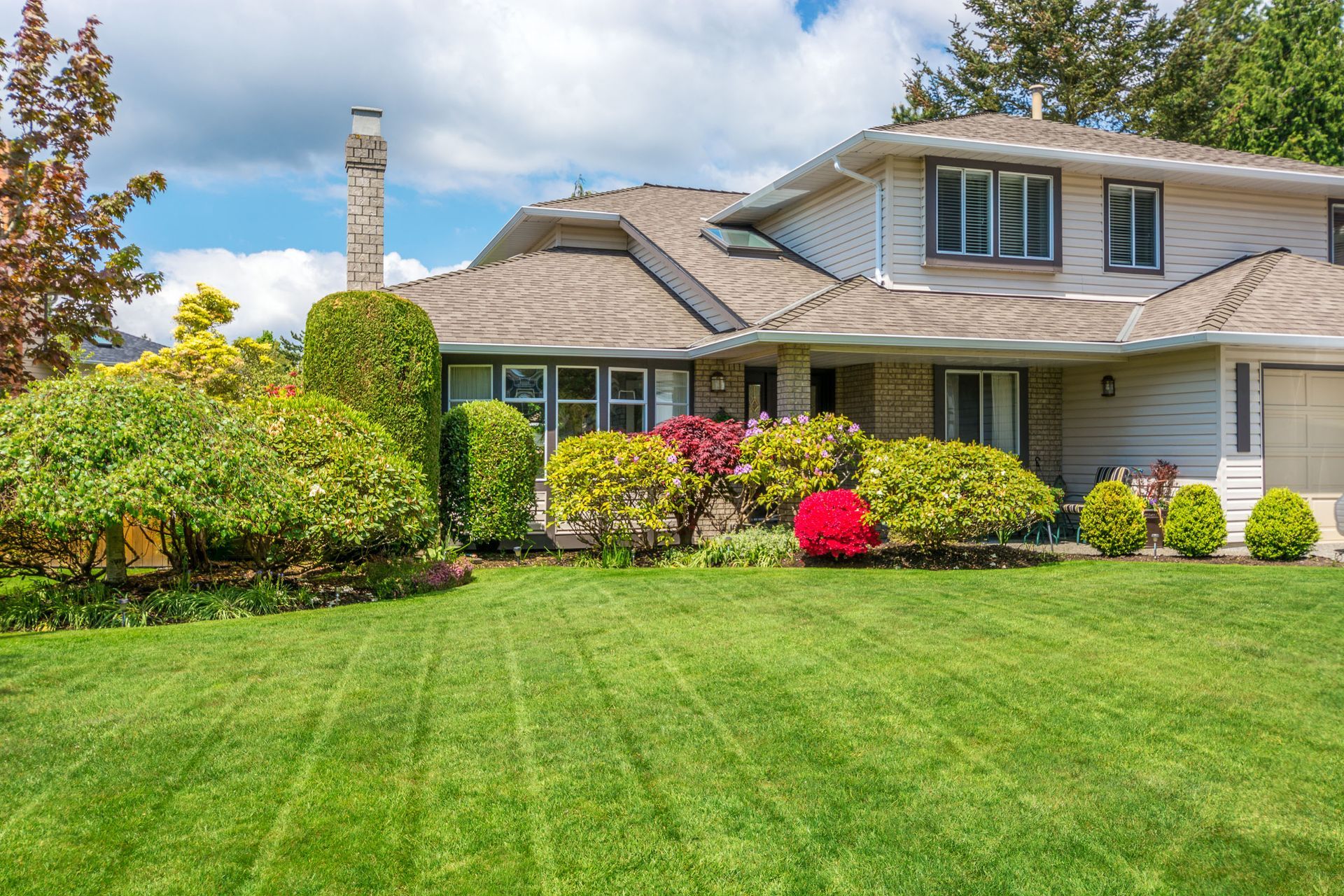
Investing in high-quality exterior improvements is an excellent strategy for boosting the overall market value and curb appeal of a home. Today's home buyers are increasingly sophisticated, frequently seeking out properties that feature sustainable technologies and low-maintenance exterior features. When expert hardscapers install custom interlocking driveways, they create a striking visual impression that immediately sets the property apart from surrounding houses. This premium upgrade signals to prospective buyers that the home has been meticulously maintained and modernized with superior, long-lasting construction materials. The resulting visual distinction directly enhances the marketability of the residence, often yielding a higher return on investment during resale.
The functional advantages of superior water management add a compelling layer of security that prospective buyers appreciate when evaluating a property. Knowing that a driveway is engineered to prevent local flooding and resist cracking provides peace of mind regarding future repair expenses. This structural confidence can lower insurance considerations in areas prone to heavy rainfall or severe seasonal storms. Combining striking visual elegance with verified environmental utility transforms a standard driveway into a highly valuable asset. Choosing these innovative structural systems represents a smart financial choice that pays consistent dividends in daily enjoyment and property appreciation.
By blending superior stormwater management with unmatched structural durability, these innovative systems address the ecological and practical shortcomings of old-fashioned solid slabs. Homeowners no longer have to choose between environmental stewardship and beautiful exterior styling, as modular installations perfectly deliver both advantages. As modern communities place a premium on sustainability, replacing non-porous concrete becomes a logical step toward creating responsible, resilient properties.
Partnering with qualified professionals ensures that every phase of the project is executed with precision, maximizing both drainage efficiency and visual appeal. Our team stands ready to transform your property with custom exterior solutions tailored specifically to your lifestyle and aesthetic preferences. Contact us today at Andy's Landscaping to explore how we can design the perfect permeable driveway for your home.
Share On: