
4 Reasons Why You Should Invest in Native Plants
When designing a landscape, it can be tempting to choose ornamental plants from around the globe to achieve a striking look. However, the secret to a thriving, stunning, and resilient outdoor space might be right in your own backyard. Investing in native plants, which are species that have naturally adapted to your local environment over centuries, offers a powerful way to transform your home or commercial property. Far from just a trend for green thumbs, switching to indigenous flora is a smart, forward-thinking choice that benefits both the planet and your wallet. Whether you're looking to boost your property value, cut down on weekend yard work, or create a serene sanctuary for local wildlife, here are four compelling reasons why you should make the shift to native plants with the help of your local landscapers.
1. Environmental Benefits
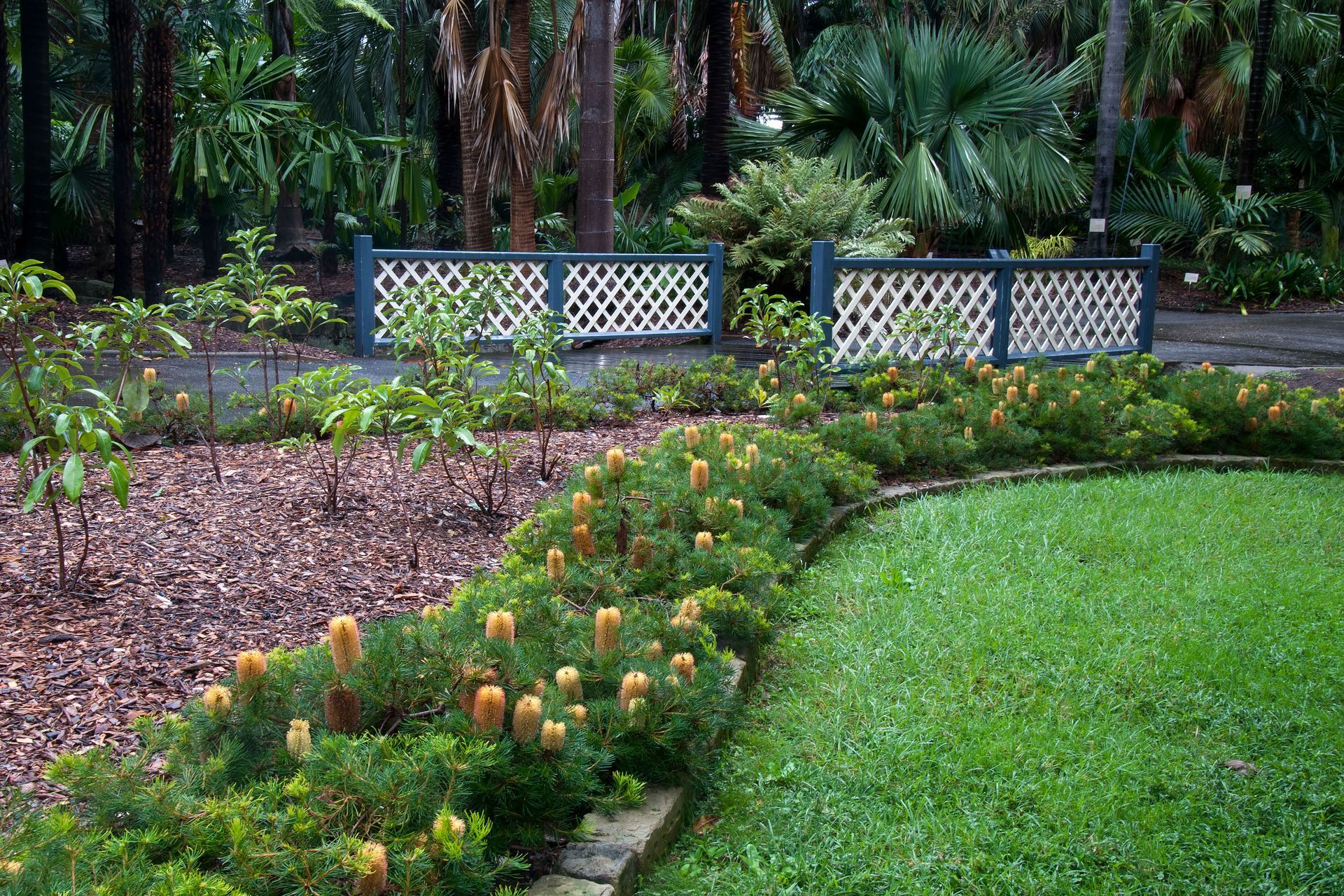
Native plant landscaping brings a wealth of environmental benefits that significantly enhance local ecosystems. These plants are naturally adapted to their surroundings, requiring less water, fertilizers, and pesticides, which reduces chemical runoff into local waterways. This not only preserves water quality but also supports biodiversity by providing habitat for native wildlife and insects. For instance, native plants attract pollinators like bees and butterflies, essential for maintaining ecological balance and promoting diverse plant growth. As land continues to be developed, retaining biodiversity through native plant landscaping becomes increasingly crucial.
This method of gardening aids in erosion control and improves air quality, as native plant roots are adept at stabilizing soil and capturing particulate matter. The increased vegetation also aids in carbon sequestration, further contributing to climate change mitigation efforts. By reducing reliance on chemical inputs, native plant landscaping fosters healthier soils, enhancing overall ecosystem resilience. Additionally, native plants can be more resilient to local climatic conditions, thus ensuring that landscapes remain robust against seasonal changes. Together, these aspects create outdoor spaces that thrive with minimal intervention, reflecting the harmony between nature and human habitation.
2. Economic Considerations
From an economic perspective, native plant landscaping offers outstanding cost-effectiveness for both residential and commercial projects. Initially, the implementation of native plant designs may require a similar investment to traditional landscaping; however, long-term savings become evident through reduced water and maintenance requirements. Over time, homeowners can expect significant decreases in upkeep labor and associated costs, as native plants naturally thrive in their home environments. The ecological harmony of these plants often reduces the need for costly chemical treatments and frequent landscaping interventions found in conventional gardens.
Additionally, the sustainable nature of native plants aligns with the push towards eco-friendly property development trends, a key selling point for real estate investors. According to Technavio, professional work by landscapers that incorporates these native plants has been proven to boost curb appeal significantly, including property value enhancements of up to 15% for premier commercial sites. These economic incentives are becoming more pertinent as public awareness grows about the impact of residential and commercial landscaping on overall environmental health.
The reduced need for fertilizers and pesticides further diminishes expenses related to environmental compliance and long-term soil remediation costs. Investments in sustainable landscaping can also qualify home and business owners for environmental grants and rebates. This potential funding, paired with lower maintenance costs, bolsters the economic case for choosing native plant landscaping. In this light, native plant landscapes are becoming not only a nod to eco-friendly practices but also a wise financial strategy for maximizing long-term property value.
3. Aesthetic Appeal
Native plants offer a rich tapestry of aesthetic possibilities, transforming landscapes into vibrant ecosystems that capture local character and beauty. These diverse forms, colors, and textures contribute to visually captivating spaces that evolve with the seasons, offering dynamic interest throughout the year. Unlike exotic plants, which may struggle outside their native climate zones, native plants exhibit a robust adaptability, providing a consistent and reliable visual appeal. This makes them an ideal choice for creating beautiful, low-maintenance gardens that blend seamlessly into their natural surroundings. The intrinsic beauty of native plants lies in their ability to mirror the region's inherent allure.
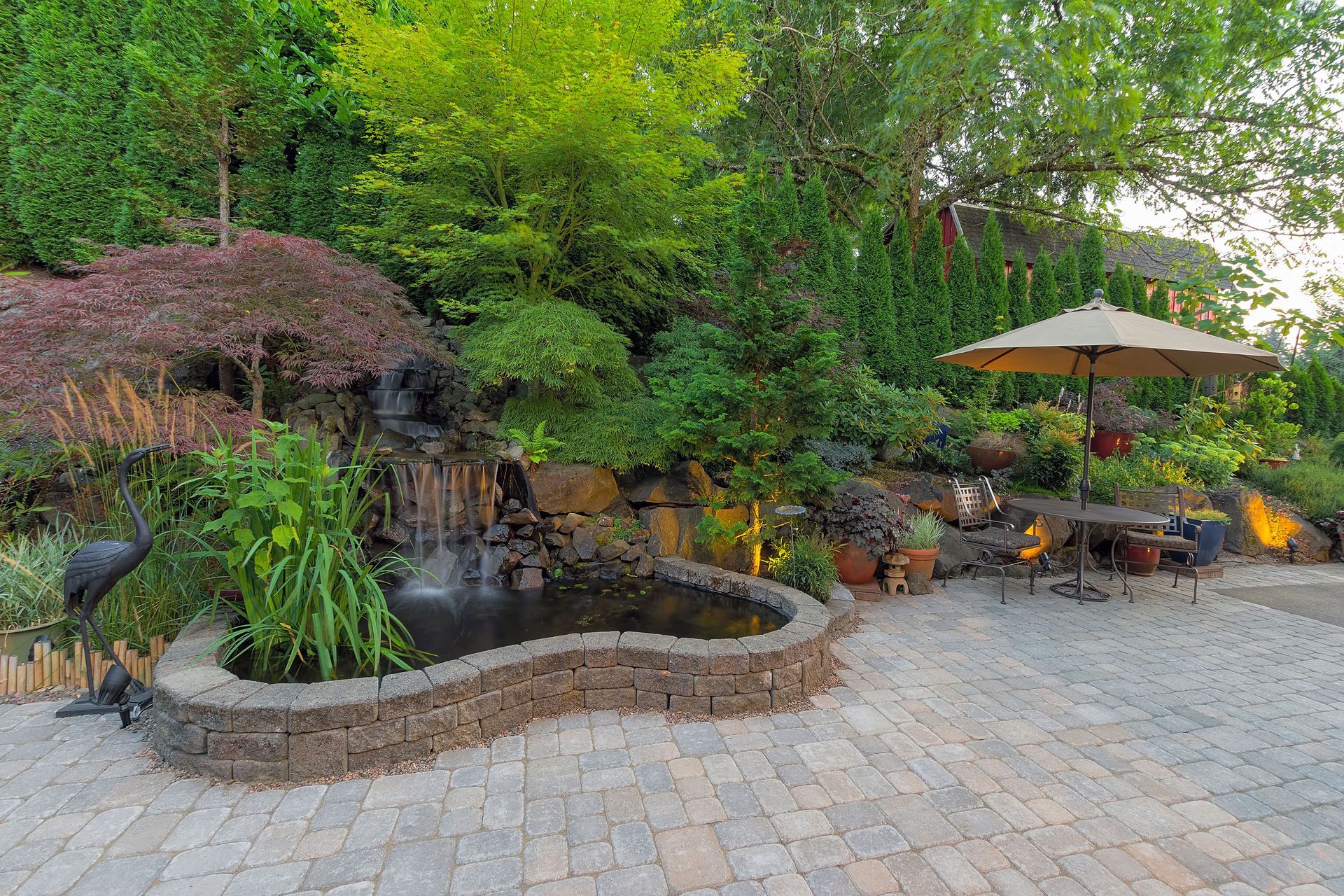
Furthermore, the inclusion of native plants in landscape designs encourages the incorporation of diverse ecological elements such as water features and varied terrain, which further enhances visual interest. These elements, combined with strategically placed hardscapes, can create spaces that are both luxurious and inviting. Additionally, the natural compatibility of native plants with local wildlife fosters vibrant ecosystems filled with birds, butterflies, and beneficial insects, all contributing to a lively and colorful landscape atmosphere. When placed in harmony with luxury hardscapes, native plants offered by local landscapers become functional works of art.
The aesthetic flexibility afforded by native plants allows designers to experiment with diverse themes and styles, from modern minimalism to rustic natural gardens, each reflecting the unique characteristics of the surrounding environment. Property owners seeking to capture authentic regional charm often opt for landscapes boasting native flora, which provide a genuine sense of place and cultural authenticity. As a result, the use of native plants by landscapers has become synonymous with high-end, bespoke landscape designs that prioritize harmony with the natural world. The aesthetic appeal of these landscapes is as much about what is included as it is about preserving what naturally exists.
4. Cultural Significance
The cultural significance of native plant landscaping extends far beyond aesthetic considerations, as these plants often hold deep historical and cultural connections to their regions. By integrating native plants into modern landscape designs, property owners pay tribute to regional heritage and the cultural narratives associated with indigenous flora. In many communities, preserving native plant species is akin to preserving historical artifacts, with certain plants holding ceremonial or traditional significance. This cultural depth adds layers of richness and meaning, transforming landscapes into living narratives that celebrate local identity and history.
For indigenous communities, native plants may serve as crucial links to ancestral knowledge and practices, often utilized in traditional medicine, crafts, and cuisine. By featuring these plants, landscapes act as platforms for cultural education and awareness, promoting the preservation of local traditions in tandem with environmental conservation. Public spaces incorporating native plant designs offer valuable opportunities for cultural storytelling and community engagement, enriching visitors' experiences while fostering a sense of belonging and shared heritage. Such elements help cultivate cultural sensitivity and appreciation among diverse community members.
As interest grows in sustainable landscaping, stakeholders increasingly recognize the potential of native plants to support cultural heritage tourism. Garden tourism projects centered around native plant landscapes draw attention to the unique botanical and cultural narratives of specific regions, attracting visitors keen to learn more about indigenous flora and their histories. By intertwining cultural significance with ecological responsibility, native plant landscapes symbolize a conscious effort to honor the past while preparing for a sustainable future. Thus, these landscaping choices are not only environmentally prudent but also crucial for preserving cultural heritage in an ever-globalizing world.
Choosing to landscape with native flora goes far beyond simple yard decoration; it's an investment in your property's future, your local community, and the environment. By embracing native plants, you dramatically reduce ongoing maintenance costs, support vital ecosystems, and preserve rich regional heritage, all while maintaining a sleek, modern aesthetic that can boost your property value. Integrating these species proves that you don't have to sacrifice high-end design to practice environmental stewardship. If you're interested in incorporating native plants, reach out to the expert landscapers at Andy's Landscaping today!


Share On: